
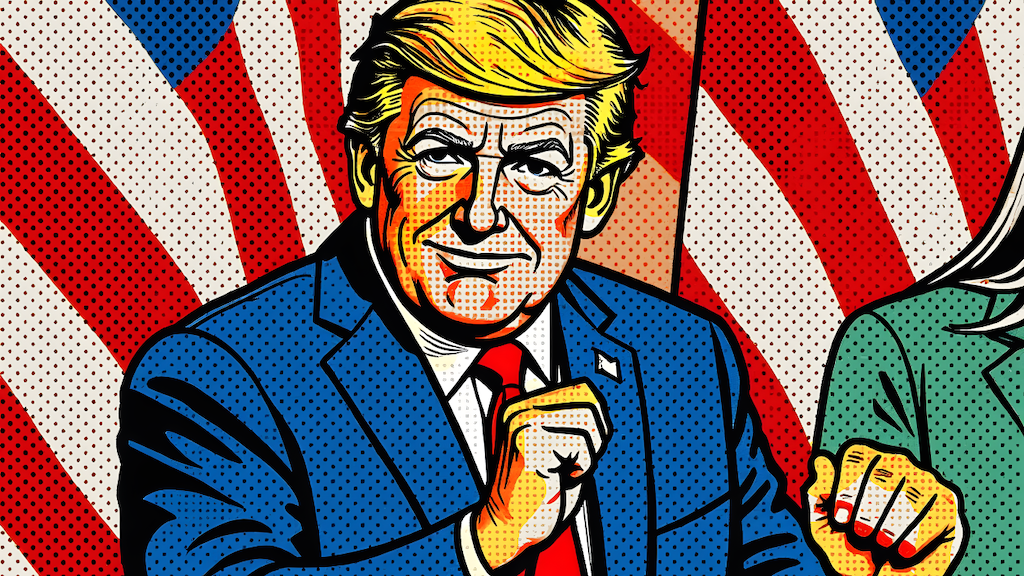
In the last weeks, Trump’s handling of the Iran war has turned into a live experiment in how far reality‑TV politics can stretch before they break under real‑world pressure. The communication coming out of the White House has been contradictory, theatrical, and relentlessly performative, and that style, which once worked so well in elections, is now colliding with the hard constraints of an actual war. For anyone who works with information, messaging, or public understanding, this is not just “politics” – it is a case study in what happens when content replaces governance.
Watching Trump talk about the war in Iran feels like watching a reality‑TV format crack under real‑world pressure.
For years, his politics have been built as a show: permanent campaign, conflict as content, and emotional high drama instead of boring detail. It worked brilliantly in elections – rallies as performances, endless free media, and a candidate who understood that attention is power.
In an actual war, the “Trump show” is not a clever brand. It is a liability.
On Iran, the messaging has lurched between “it’s basically over”, “it will take weeks”, and “we’re winning”, sometimes in the same news cycle. Objectives are announced, reframed, and quietly dropped. There is still no single, credible story the public can repeat about why this war started, what success looks like, or how it ends.
That might still excite a fanbase, but it destroys something more important in a crisis: people’s ability to build a stable mental model of reality. If the story keeps changing, the brain defaults to anxiety, conspiracy, or complete disengagement.
The basic difference between content and governance:
Content can be vague, performative, and optimised for outrage. But governance needs clarity, consistency, and the courage to say the same thing even when the headlines move on.
Trump’s genius has always been turning politics into entertainment – reality‑TV aesthetics, permanent spectacle, and everything calibrated for clicks and camera time. That playbook was brutally effective as long as the stakes were symbolic. In a real war, it hits its limit. You can’t improvise your way through casualties and escalation arcs the way you improvise through a campaign rally.
This is exactly the line that interests me in my own work: what happens when performance‑first communication collides with hard constraints – law, physics, economics, and geopolitics? At that point, slogans and “strongman” vibes stop working. Only clear information architecture and consistent narrative survive contact with reality.
The Trump–Iran moment is not just “bad messaging”. It is a live demonstration of what happens when a country lets show‑business standards set the bar for political communication – and then discovers, too late, that real crises don’t care about ratings.